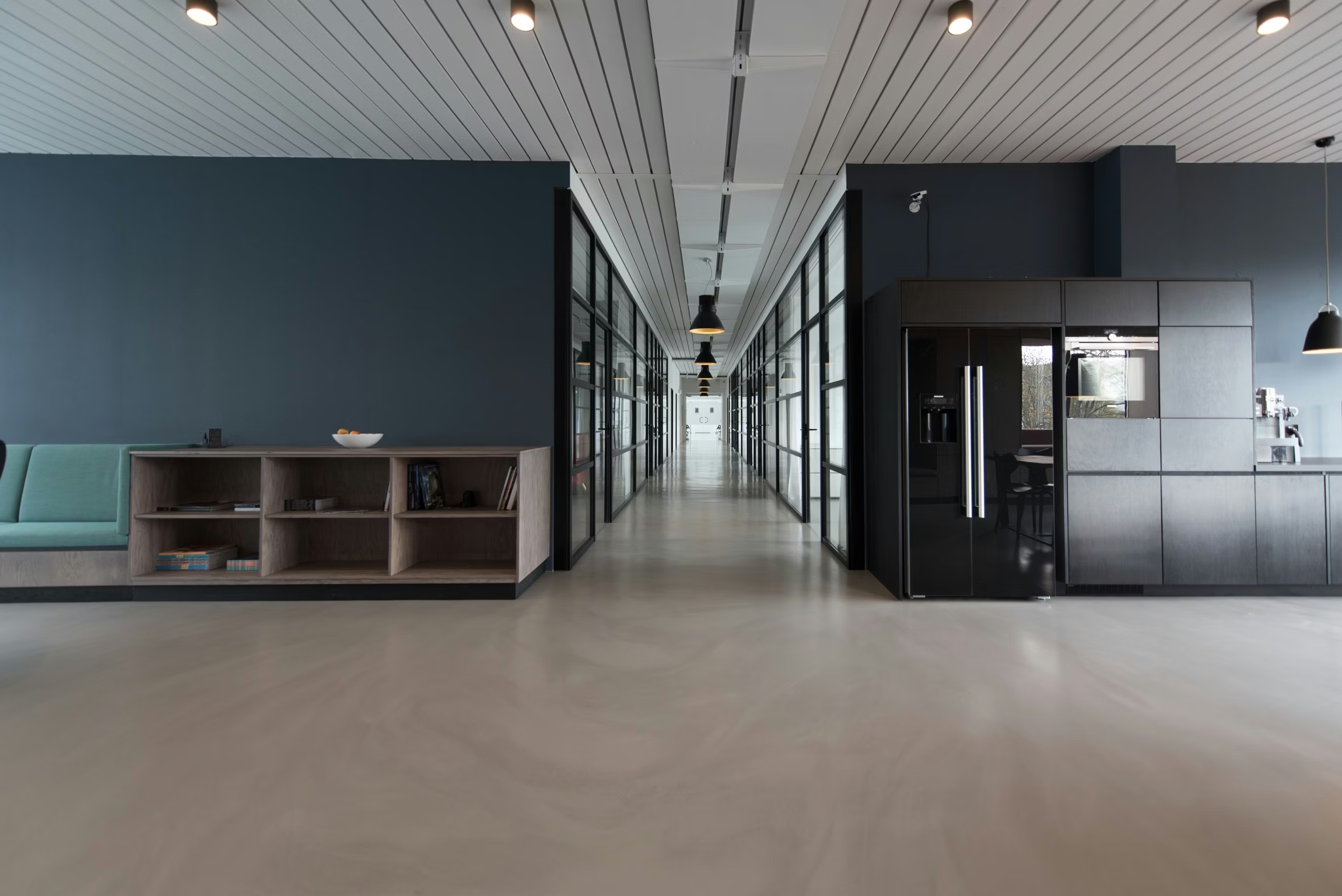
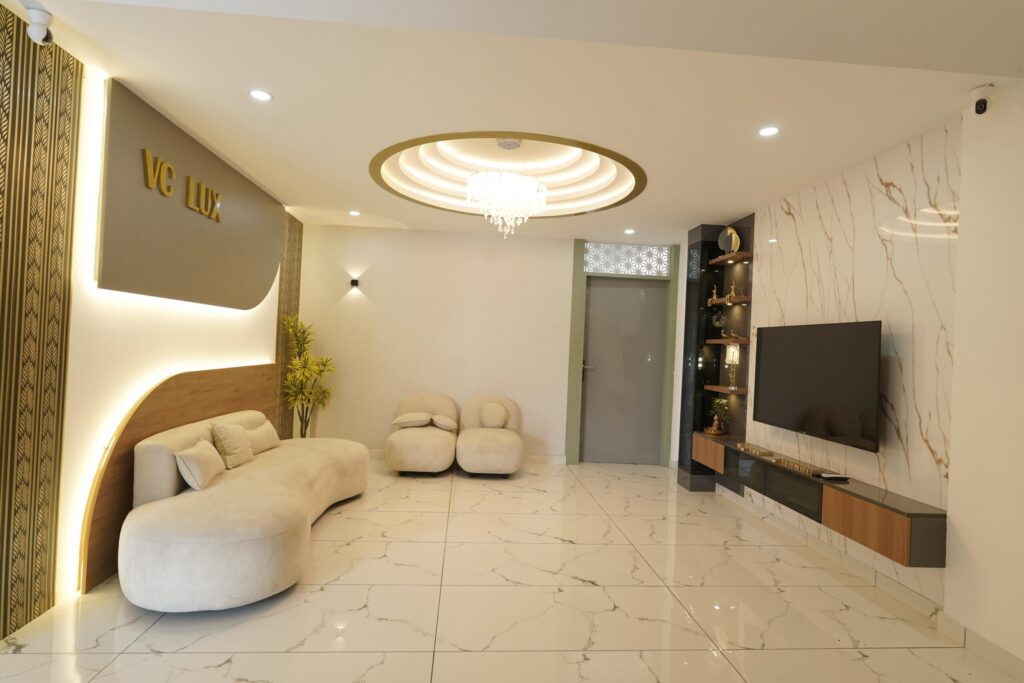
Interior design is constantly evolving, shaped by shifting lifestyles, new technology, and a growing appreciation for spaces that feel both personal and purposeful. As we move through 2026, homeowners are moving away from short-lived fads and gravitating toward designs that balance beauty, comfort, and functionality. This shift is redefining what modern interiors look like, from compact apartments to sprawling luxury homes. Rather than chasing bold, temporary statements, more people are asking what will still feel relevant, comfortable, and well-designed five or ten years from now.
If you are planning a renovation or building a new space this year, understanding these emerging directions in interior design can help you make choices that stay relevant for years, not just seasons. Homeowners who want expert guidance often turn to a trusted design partner such as Nine Cloud, whose experience across residential and commercial projects offers valuable insight into what actually works in real spaces, not just in trend reports.
Why Interior Design Trends Matter in 2026
Trends are not just about aesthetics; they reflect how people want to live. In 2026, the biggest shift in interior design is the demand for spaces that support wellbeing, flexibility, and efficiency. Homeowners are no longer satisfied with design choices that look good in photos but fail to serve daily life.
This year’s trends are shaped by three major forces: advancing smart technology, a renewed focus on sustainability, and a desire for calm, uncluttered environments. Together, these forces are pushing interior design toward solutions that are as practical as they are beautiful.
Smart Homes: Technology Meets Everyday Living
One of the most significant developments in interior design this year is the rise of smart homes as a standard expectation rather than a luxury add-on. Automation has moved beyond simple voice-controlled lighting and is now deeply integrated into the overall design process.
Key smart home features shaping interiors in 2026 include:
- Integrated lighting systems that adjust automatically based on time of day and activity
- Smart climate control built into wall panels and ceiling designs for seamless aesthetics
- Voice and app-controlled window treatments, reducing the need for visible cords or manual controls
- Home automation hubs discreetly built into cabinetry or furniture rather than displayed as standalone devices
- Energy monitoring systems that help homeowners track and reduce consumption
What sets this year apart is how designers are hiding the technology within the design itself. Instead of gadgets sitting on shelves, smart features are now built into walls, furniture, and fixtures, keeping the visual language clean while enhancing everyday convenience. This approach allows smart homes to feel effortless rather than overly technical.
Minimalist Interiors: Doing More with Less
Minimalist interiors continue to dominate as one of the strongest movements in interior design this year, but the approach has matured beyond stark, empty rooms. Today’s minimalism is warmer, more textured, and far more livable than the cold minimalism of previous years.
Characteristics of this refined minimalist approach include:
- Layered neutral tones instead of flat white-on-white palettes
- Natural materials such as linen, oak, and stone that add texture without visual clutter
- Purposeful furniture selection, where every piece earns its place through function or form
- Concealed storage solutions that keep surfaces clear without sacrificing practicality
- Curated decor, favouring a few meaningful pieces over an abundance of accessories
Minimalist interiors work particularly well in urban homes where space is limited, but the philosophy is equally popular in larger properties where homeowners want a sense of calm rather than visual overload. The goal is no longer emptiness for its own sake, but intentionality in every design decision.
Luxury Homes: Redefining What Opulence Means
Luxury homes are also undergoing a transformation in 2026. Traditional markers of luxury, such as ornate detailing and heavy furnishings, are giving way to a more refined and understated definition of high-end living.
Modern luxury in interior design is now defined by:
- Exceptional craftsmanship, where quality of materials and finishing matters more than visible extravagance
- Bespoke furniture and joinery, custom-built to fit exact proportions and personal taste
- Statement natural materials, such as marble, brass, and solid wood, used with restraint rather than excess
- Spa-inspired bathrooms, featuring freestanding tubs, natural stone finishes, and ambient lighting
- Private wellness spaces, including home gyms, meditation rooms, or dedicated relaxation areas
This shift reflects a broader cultural change: true luxury is now measured by comfort, privacy, and quality rather than sheer visual grandeur. Homeowners investing in luxury homes are prioritising spaces that feel restorative and personal, rather than simply impressive to visitors. This is often expressed through details that are felt rather than seen, such as acoustically treated walls, climate-controlled wine storage, or thoughtfully placed lighting that adapts to the mood of the room throughout the day.
Modern Interiors: Blending Function with Timeless Style
Modern interiors remain a cornerstone of residential design, but 2026 has brought subtle but meaningful evolutions to the style. While the core principles of clean lines, open layouts, and functional furniture remain unchanged, designers are now layering in warmth and personality that earlier modern interiors sometimes lacked.
Notable shifts within modern interiors this year include:
- Curved furniture silhouettes softening otherwise sharp, geometric layouts
- Warm wood tones replacing the stark white and grey palettes of previous years
- Mixed material pairings, such as combining matte black metal with soft textiles
- Open-plan living with defined zones, using rugs, lighting, and furniture arrangement instead of walls
- Statement ceiling details, including exposed beams or subtle architectural moulding
This evolution shows that modern interiors are not static; they continue to absorb influences from other styles while keeping their signature simplicity and functionality intact. The result is a style that feels current without becoming overly trend-driven.
Sustainable Materials Are No Longer Optional
Across every category, from minimalist interiors to luxury homes, sustainability has become a non-negotiable factor in interior design decisions. Homeowners are increasingly asking about the origin and environmental impact of the materials used in their spaces.
Popular sustainable choices in 2026 include:
- Reclaimed and FSC-certified wood for flooring and furniture
- Low-VOC paints and finishes that improve indoor air quality
- Recycled metal and glass fixtures for a reduced environmental footprint
- Natural fibre textiles, such as organic cotton and wool, for upholstery and soft furnishings
- Water-efficient fixtures integrated seamlessly into bathroom and kitchen design
This trend is not just about environmental responsibility; sustainable materials often bring superior durability and a distinctive, natural aesthetic that mass-produced alternatives cannot replicate. Many homeowners are also finding that sustainably sourced materials age more gracefully over time, developing character rather than showing wear, which further supports the long-term, timeless approach that defines this year’s leading interior design projects.
Colour Palettes Defining 2026 Interiors
Colour trends this year lean toward earthy, grounding tones that complement both minimalist interiors and warmer, more layered modern interiors. Popular palettes include:
- Warm terracotta and clay tones, adding richness without overwhelming a space
- Sage and olive greens, bringing a natural, calming quality indoors
- Deep charcoal and espresso browns, used as accent tones in luxury homes
- Soft, warm whites, replacing stark cool whites for a cosier base palette
These colour choices reflect the same underlying theme found across all major trends this year: a move toward warmth, comfort, and authenticity in every design decision.
Beyond individual colours, the way these tones are combined has also changed. Rather than relying on high-contrast pairings, designers are blending tonal shades within the same colour family to create depth without visual tension. For instance, a living room might combine three or four shades of warm beige and taupe, layered through rugs, upholstery, and wall finishes, rather than relying on a single flat wall colour. This layered approach gives rooms a sense of richness while still feeling calm and cohesive, which is a defining characteristic of interior design in 2026.
How to Bring These Trends into Your Own Space
Adopting these trends does not require a complete renovation. Many homeowners are successfully updating their interiors through targeted changes that align with their existing layout and budget, proving that impactful design updates do not always demand a large investment or a lengthy timeline. For those planning a more comprehensive transformation, working with a professional team ensures these trends are implemented cohesively rather than as disconnected updates.
If you are considering a full-scale project, partnering with an establishedinterior design company can help translate these 2026 trends into a design that suits your specific space, lifestyle, and budget, while avoiding costly trial and error along the way.
Practical starting points include:
- Introducing smart lighting systems as an affordable entry point into smart home technology
- Decluttering and simplifying furniture layouts to embrace minimalist interiors principles
- Swapping synthetic materials for natural, sustainable alternatives where possible
- Refreshing colour palettes with warmer, earthy tones instead of stark neutrals
- Investing in a few well-crafted statement pieces rather than multiple lower-quality items
Small, intentional updates like these can meaningfully shift the feel of a space without requiring a complete overhaul.
Start Designing Your 2026-Ready Space Today
Interior design trends will always continue to evolve, but the most successful spaces are the ones built on a foundation of thoughtful planning rather than fleeting fads. Whether you are drawn to smart homes, minimalist interiors, or the refined elegance of modern luxury homes, the key is choosing updates that genuinely suit how you live.
To learn more about the philosophy and expertise behind creating spaces that stand the test of time, visit the Nine Cloud team page. When you are ready to bring these 2026 interior design trends into your own home or business, get in touch through the project consultation pageto start planning a space designed around your goals. Your next great space starts with a single conversation.
Frequently Asked Questions
What is the biggest interior design trend in 2026?
The strongest trend this year is the seamless integration of smart home technology into design, where automation features are built discreetly into walls, cabinetry, and fixtures rather than displayed as standalone gadgets. This approach keeps spaces looking clean while still offering full functionality.
Are minimalist interiors still popular in 2026?
Yes, minimalist interiors remain highly popular, though the style has evolved to include warmer tones, natural textures, and curated decor rather than stark, empty spaces.
How are luxury homes changing this year?
Luxury homes are shifting away from ornate, extravagant detailing toward understated elegance, focusing on craftsmanship, natural materials, and wellness-oriented spaces such as spa bathrooms and private relaxation rooms.
What defines modern interiors in 2026?
Modern interiors continue to prioritise clean lines and open layouts, but now incorporate warmer wood tones, curved furniture, and mixed materials for a softer, more personal feel.
Is sustainability really influencing interior design choices?
Yes, sustainable and natural materials have become a standard expectation across residential and commercial projects, valued for both environmental impact and superior durability.
Do I need to renovate completely to follow these trends?
No, many trends can be introduced gradually through lighting updates, colour refreshes, and selective furniture changes without a full renovation.