Interior design is no longer just about picking furniture and paint colours. It is a thoughtful process that blends functionality, aesthetics, and personality into a single cohesive space. Whether you are furnishing a cosy apartment or planning an entire office fit-out, good interior design shapes how a space feels, functions, and flows. This guide walks you through everything you need to know about interior design, from the fundamentals to the finer details that separate an average space from an extraordinary one.
As more homeowners and businesses invest in high-quality spaces, the demand for skilled interior designers has grown significantly. A well-executed design does more than look attractive; it improves comfort, productivity, and even the resale value of a property. If you are searching for a trusted partner to bring your vision to life, working with an experienced team like Nine Cloudcan help you turn abstract ideas into a functional, beautifully designed reality.
What Is Interior Design and Why It Matters
At its core, interior design is the art and science of enhancing the interior of a building to achieve a healthier and more aesthetically pleasing environment. It involves space planning, material selection, lighting design, colour theory, and furniture layout, all working together to create harmony.
Good interior design matters because it directly affects how people experience a space. A poorly planned layout can make even a large room feel cramped, while a well-designed small space can feel open and inviting. This is why hiring qualified interior designers is essential — they understand how to balance form and function so that every square foot serves a purpose without compromising on style.
Understanding Modern Interiors: Trends Shaping Today’s Spaces
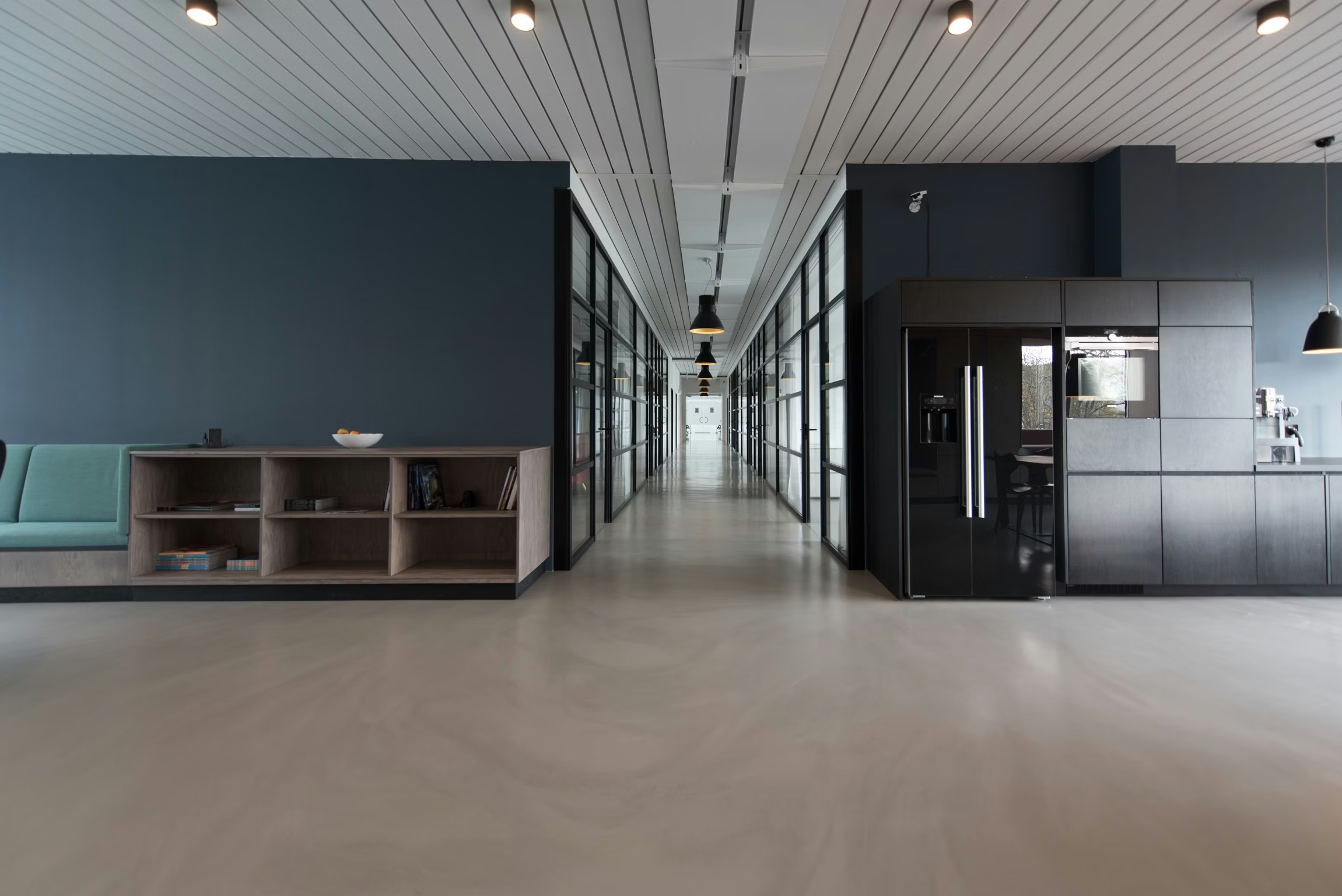
Modern interiors are defined by clean lines, neutral palettes, and a strong emphasis on functionality. Unlike traditional design styles that rely heavily on ornate detailing, modern interiors favour simplicity and open layouts that let natural light and clean geometry take centre stage.
Some defining features of modern interiors include:
- Minimalist furniture with sleek profiles and multipurpose functionality
- Neutral and earthy colour schemes paired with bold accent pieces
- Smart storage solutions that reduce visual clutter
- Sustainable materials such as reclaimed wood, natural stone, and recycled metals
- Integrated technology, including smart lighting and automated climate control
These elements are not just trends; they reflect a broader shift toward intentional living, where every item in a space has a clear purpose. Whether you are updating a single room or redesigning an entire property, incorporating modern interior principles can instantly elevate the look and feel of your space.
The Role of Interior Designers in Creating Functional Spaces
Many people assume that interior designers only focus on aesthetics, but their role extends far beyond selecting furniture and fabrics. A skilled designer acts as a project manager, problem solver, and creative visionary all at once.
Here is what professional interior designers typically handle:
- Space planning — analysing the layout to maximise flow and usability
- Concept development — creating a design theme that aligns with the client’s lifestyle or brand identity
- Material and finish selection — choosing flooring, wall treatments, and fixtures that suit the space
- Lighting design — balancing natural and artificial light for comfort and ambience
- Budget management — ensuring the project stays within financial constraints
- Vendor and contractor coordination — overseeing the execution phase to guarantee quality results
Working with experienced interior designers means you get a partner who anticipates challenges before they arise, saving you time, money, and unnecessary stress throughout the renovation or build-out process.
Choosing the Right Interior Company for Your Project
Selecting the right interior company can make or break your project. With so many options available, it is important to evaluate a firm’s portfolio, expertise, and communication style before signing a contract.
Here are a few factors to consider when choosing an interior design company:
- Portfolio diversity — Does the company have experience with both residential interiors and commercial interiors?
- Client testimonials — What do previous clients say about their experience and the final results?
- Design process transparency — Does the firm provide clear timelines, cost breakdowns, and milestone updates?
- In-house capabilities — Can the company handle everything from concept to execution, or will you need to coordinate multiple vendors?
A reputable interior design company will offer a seamless, end-to-end service that takes the guesswork out of the entire process. For businesses and homeowners looking for a full-service solution, exploring a dedicated interior design company that specialises in tailored, high-quality outcomes can simplify decision-making and reduce project risks significantly.
Residential Interiors: Designing Homes That Reflect Lifestyle
Residential interiors are deeply personal. Unlike commercial spaces, which often follow brand guidelines, a home should reflect the personality, habits, and preferences of the people living in it.
When planning residential interiors, designers typically focus on:
- Functional zoning — separating living, dining, and relaxation areas for better flow
- Personalised colour palettes — reflecting the homeowner’s taste while maintaining balance
- Custom furniture and joinery — designed to fit the exact dimensions and needs of the space
- Lighting layers — combining ambient, task, and accent lighting for versatility
- Storage optimisation — integrating hidden or built-in storage to reduce clutter
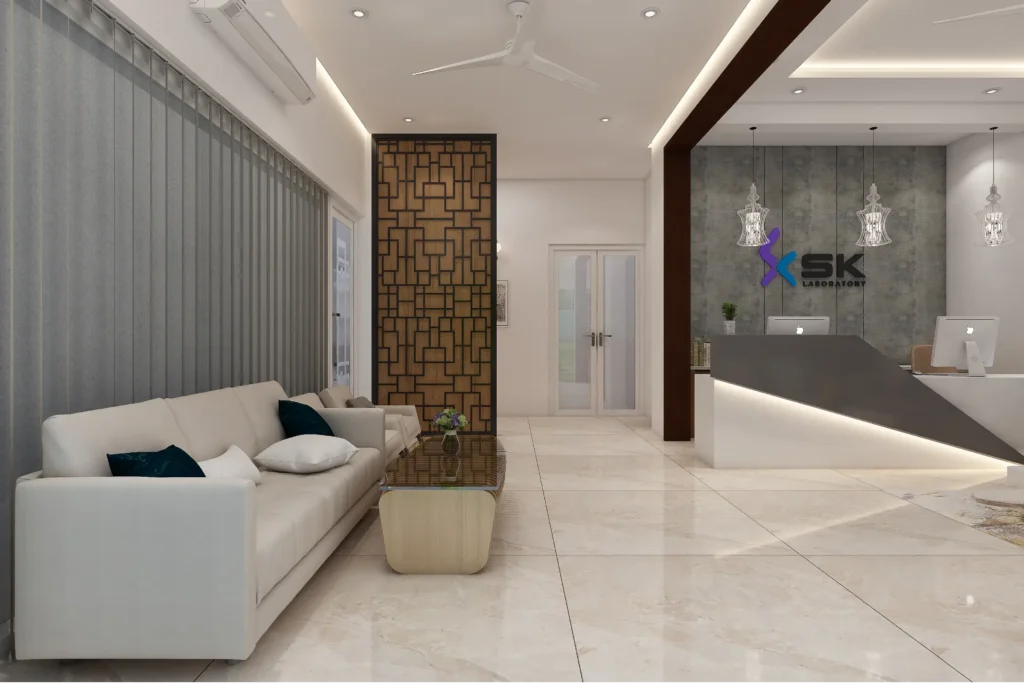
A well-designed home does more than look good in photographs; it supports daily routines, improves comfort, and creates a sense of calm. Whether you are designing a studio apartment or a multi-bedroom villa, thoughtful residential interior planning ensures the space grows with your lifestyle over time.
Commercial Interiors: Building Spaces That Drive Business Success
Commercial interiors serve a very different purpose than residential spaces. Offices, retail stores, restaurants, and showrooms need designs that support productivity, brand identity, and customer experience simultaneously.
Key considerations for commercial interiors include:
- Brand alignment — using colours, materials, and layouts that reinforce brand identity
- Employee wellbeing — incorporating ergonomic furniture, natural light, and breakout areas
- Customer journey mapping — for retail and hospitality spaces, designing a layout that guides foot traffic naturally
- Durability and maintenance — selecting materials that withstand high foot traffic and daily wear
- Regulatory compliance — ensuring the design meets fire safety, accessibility, and building codes
An effective commercial interior design strategy can directly influence employee morale, customer satisfaction, and ultimately, business performance. Companies that invest in professional design services often see measurable returns through improved efficiency and stronger brand perception.
Key Elements of a Successful Interior Design Project
Regardless of whether you are working on residential interiors or commercial interiors, certain principles remain constant across every successful project.
1. Clear Vision and Goals Before any design work begins, it is essential to define the purpose of the space, the desired mood, and the practical requirements it must fulfil.
2. Balanced Space Planning Every element, from furniture placement to walkway widths, should contribute to a layout that feels natural and uncluttered.
3. Cohesive Colour and Material Palette A well-thought-out palette ties the entire design together, creating visual harmony across different rooms or zones.
4. Quality Lighting Design Lighting can transform the mood of a space instantly. A mix of natural light, ambient lighting, and task lighting is key to a well-rounded design.
5. Attention to Detail Small details, such as hardware finishes, trim work, and accessory placement, often make the biggest difference in the final outcome.
When these elements come together under the guidance of experienced interior designers, the result is a space that feels intentional, functional, and visually stunning.
How to Select the Best Interior Designers for Your Vision
Choosing the right designer is one of the most important decisions in the entire process. Here are practical tips to help you make an informed choice:
- Review past projects that align with your style, whether modern interiors, classic, or transitional design
- Ask about the design process, including how revisions and feedback are handled
- Discuss budget expectations early to avoid scope creep later in the project
- Check for licensing and insurance, especially for larger renovation or build-out projects
- Evaluate communication style, since a smooth working relationship depends on clarity and responsiveness
Great interior designers listen carefully to your needs while offering creative solutions you may not have considered. This collaborative approach ensures the final design truly represents your vision, not just a generic template.
Interior Design Trends Worth Watching
As lifestyles and workplaces evolve, interior design trends continue to shift toward flexibility, sustainability, and wellness-focused environments. A few notable trends currently shaping both residential and commercial projects include:
- Biophilic design, which incorporates natural elements like plants, wood, and stone to improve wellbeing
- Multi-functional spaces, especially in homes where remote work has increased the need for flexible layouts
- Sustainable and eco-friendly materials, reflecting a growing preference for environmentally responsible choices
- Statement lighting fixtures that double as art pieces within a room
- Warm minimalism, blending clean lines with cosy textures and tones for a balanced, inviting feel
Staying informed about these trends can help you make design choices that remain relevant and timeless, rather than dated within just a few years.
It is worth noting that trends should never override function. A striking lighting fixture or a bold accent wall can elevate a room, but only when it complements the underlying layout and purpose of the space. The best interior design projects strike a balance between what is fashionable today and what will remain practical and comfortable for years to come. This is where experienced interior designers add real value, guiding clients toward choices that feel current without sacrificing long-term usability.
Bringing Your Vision to Life
A thoughtfully designed space does more than look beautiful; it supports the way you live, work, and interact every single day. From understanding the fundamentals of interior design to choosing the right professionals for your project, every decision plays a role in the final outcome. Whether your priority is refined residential interiors or high-performing commercial interiors, the right guidance makes all the difference.
If you are ready to start your project, the first step is connecting with a team that understands your goals and can translate them into a functional, stylish reality. Learn more about the people and philosophy driving thoughtful design by visiting the about us page, or take the next step today by reaching out through the contact us page to discuss your project in detail. Your ideal space is closer than you think — start the conversation now.
Frequently Asked Questions
What does an interior designer actually do?
An interior designer plans and executes the layout, materials, colours, lighting, and furnishings of a space to make it both functional and visually appealing, while managing budgets and coordinating with contractors.
How is interior design different from decoration?
Interior design involves structural and spatial planning, including layout, lighting, and material selection, while decoration focuses primarily on surface-level styling such as accessories and soft furnishings.
How long does a typical interior design project take?
Timelines vary depending on scope. A single room may take a few weeks, while a full residential or commercial fit-out can take several months from concept to completion.
Can an interior design company handle both residential and commercial projects?
Yes, many established firms offer expertise across both residential interiors and commercial interiors, adapting their approach based on the specific goals of each project type.
Do I need an interior designer for a small renovation?
Even smaller projects benefit from professional input, as designers can help avoid costly mistakes, improve space planning, and ensure a cohesive final result.